Guides
Cargo Electric Tricycles in the City: Deliveries, Markets and Small-Business Fleets
City jobs for cargo electric tricycles — parcel and food delivery, market trading, shop restocking and service fleets — and how to match the vehicle to stop-and-go work.
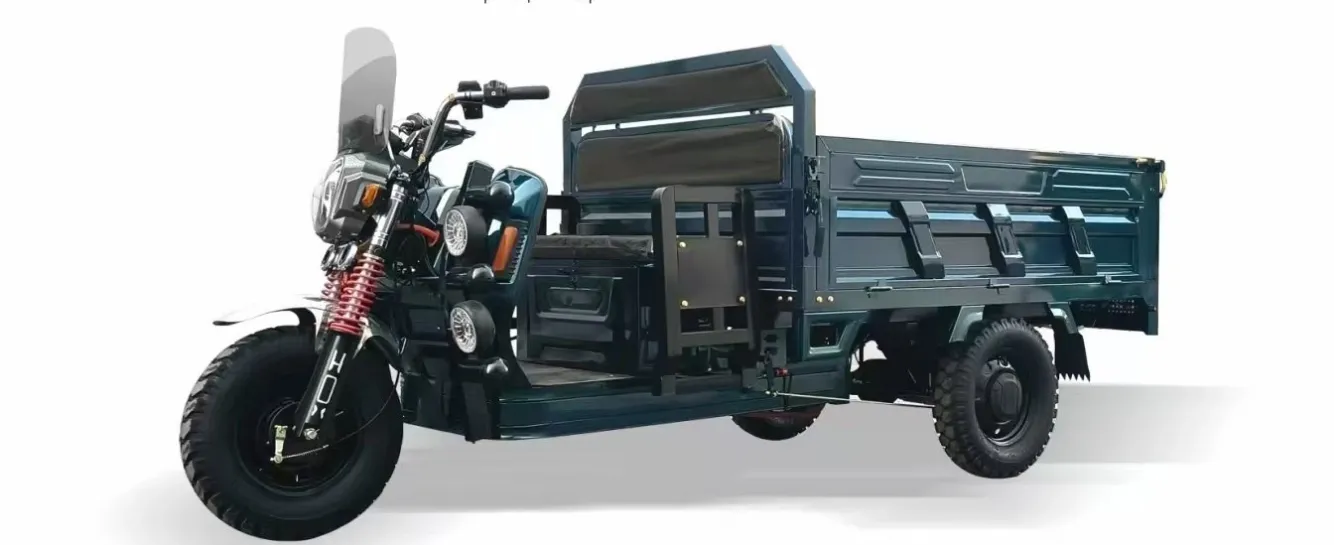
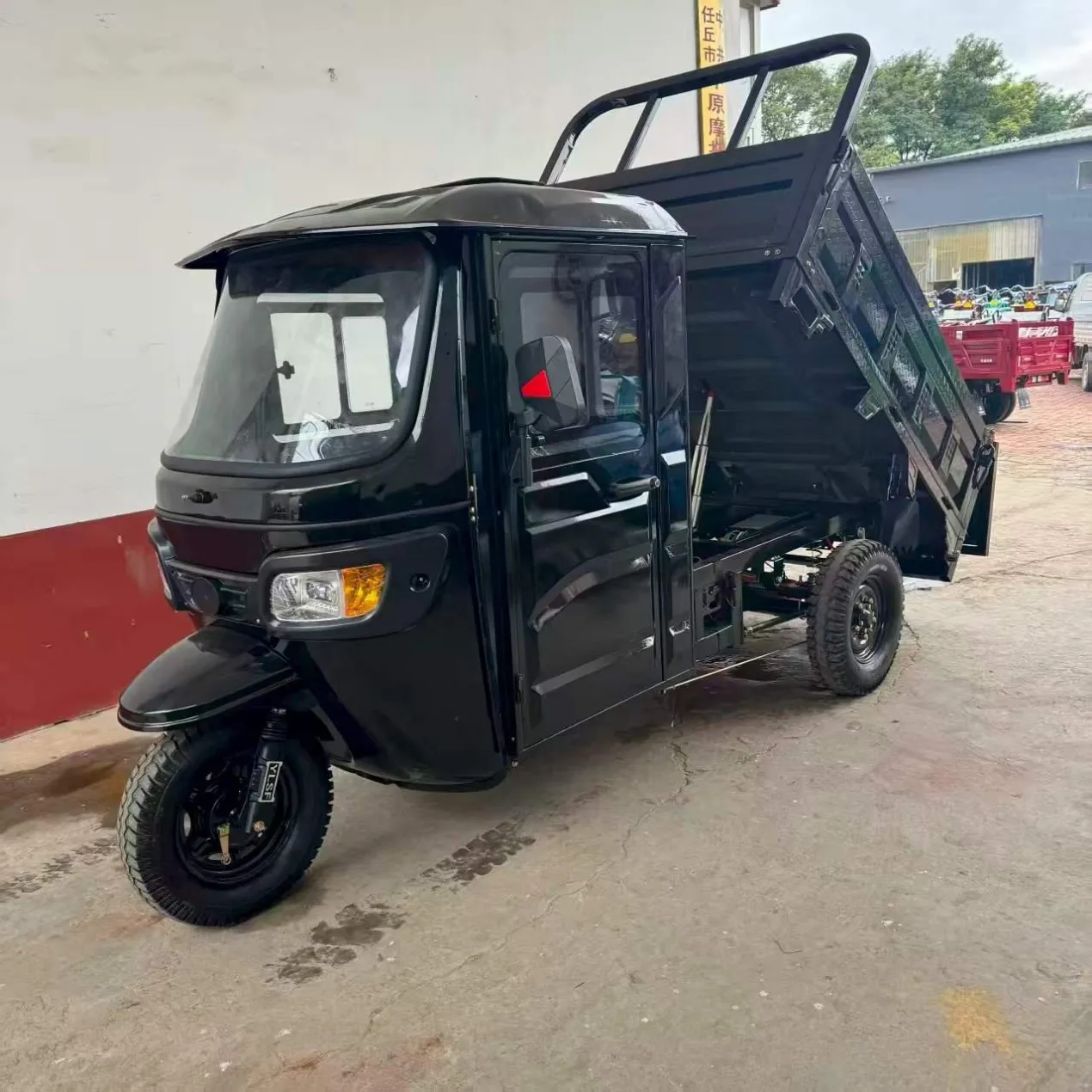
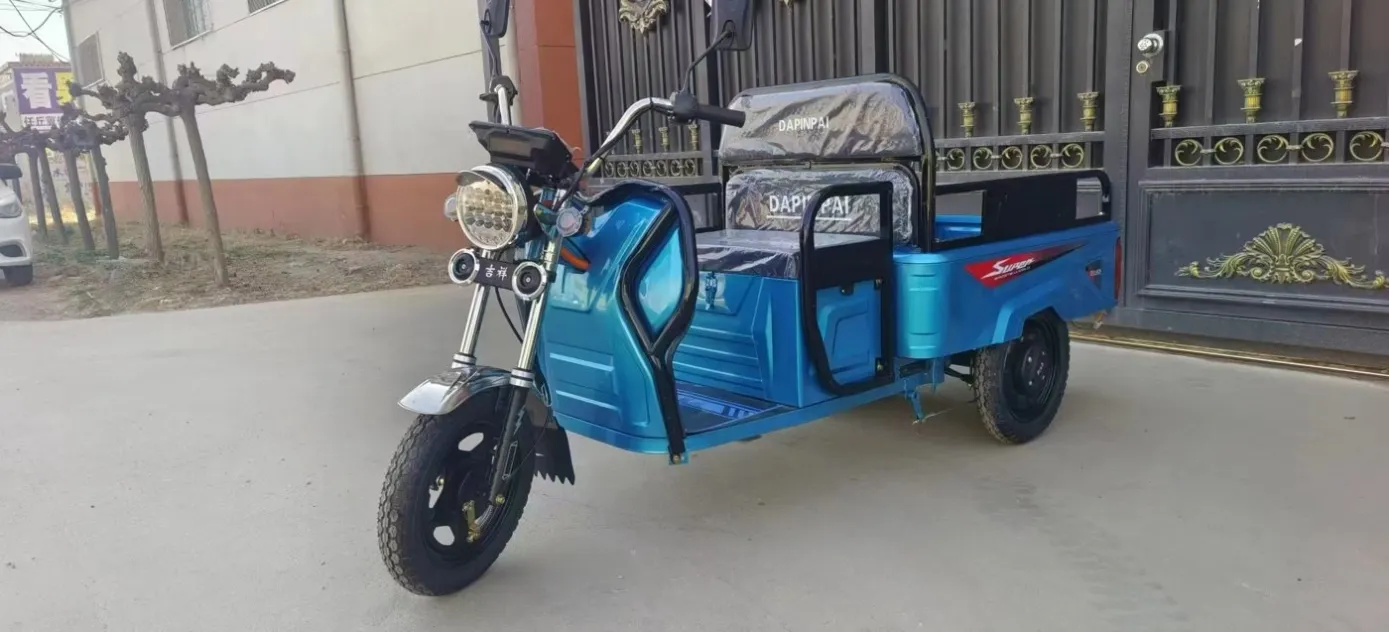
In the city, a cargo electric tricycle is not a small truck — it is a different tool: narrower, cheaper to run, easy to park, and built for short trips with constant stops. These are the urban jobs where it outsells larger vehicles, and what fleet buyers should check for each one.
One idea connects all five jobs below: in the city, the vehicle's working day is measured in stops, not kilometres. A delivery tricycle may travel a modest distance yet open its box forty times, climb a hundred kerbs and sit in traffic for hours. Specification choices that look minor on paper — box access, battery sized for stop-and-go work, parts that swap quickly — decide whether the vehicle earns money quietly for years or becomes a daily irritation. Buy for the stop pattern, not just the route length.
1. Last-mile parcel and food delivery
Courier and food-delivery work means dozens of stops a day in streets where vans cannot park. A closed cargo box or closed cabin model protects parcels from rain and theft during stops; an open box suits businesses delivering their own goods on short loops. What decides the working day is not top speed but range over a full shift of stop-and-go driving — size the battery for the real route, with reserve.
Extra checks for delivery buyers:
- Security at the stop. The vehicle is unattended many times a day. Ask how the closed box locks, whether the cabin and box share one key system, and confirm the arrangement in writing before ordering. A delivery rider who cannot lock the box quickly will stop locking it at all.
- Box access from the kerb side. Rear doors, side doors or a roll-up opening change loading speed at every stop. If your riders load from the side away from traffic, say so when you order — door configuration is a factory decision, not an afterthought.
- Food work adds hygiene. Sealed, washable interior surfaces matter for food delivery in ways parcel work never tests. Ask what the box interior is made of and how it cleans, and confirm it in writing.
- Reserve range is shift insurance. Routes change daily. Size the battery for the longest realistic shift plus reserve, and confirm battery and charger details in writing — a vehicle that finishes the day on empty will shorten its battery's useful life and its driver's patience.
2. Market trading and mobile vending
Wholesale market traders haul stock from depot to stall in the early morning, then the same vehicle often serves as the stall base. Loads are mixed — crates, sacks, boxes — so a flexible open flat box is the usual choice. Traders who carry chilled or covered goods lean to closed models. Early starts mean overnight charging must be simple and reliable at the depot or home.
For this segment, ask how the vehicle will actually spend its day. Many traders drive a short distance at dawn and then use the vehicle as a static stall for eight hours — the battery barely works, but the box, canopy and display space work all day. Others shuttle between wholesale and retail markets repeatedly. The first buyer needs box volume and weather cover; the second needs range and suspension for loaded running. A common mistake is selling the trader a delivery specification, or the delivery fleet a trader specification, because both are called "market work" in conversation. Pin down the pattern — one loaded run plus static display, or repeated loaded runs — and confirm the box type, cover and battery in writing against that pattern.
3. Shop and supermarket restocking
Small shops, kiosks and mini-marts restock daily from nearby wholesalers: drinks, packaged food, household goods. Trips are short and predictable, loads are dense, and the vehicle works every single day — downtime is lost sales. This is the classic fleet sale: several identical units, one specification, shared spare parts.
Because the work is so predictable, the buying decision should be made on total cost of the working day, and on what happens when — not if — a vehicle stops. Practical points for restocking fleets:
- Dense loads again mean rated payload rules. Drinks and packaged goods are heavy for their volume. Match rated payload to the heaviest typical restocking load, confirmed with the supplier in writing.
- One specification, shared parts. Identical units mean one parts shelf serves the whole fleet, drivers can swap vehicles without retraining, and your workshop learns one machine deeply.
- A spare-vehicle ratio is a business decision. For a fleet whose vehicles work every day, keeping one unit as a rotating spare is often cheaper than the lost sales from a single day's stoppage. Run the numbers on your own margins before deciding you cannot afford it.
- Ordering rhythm. With a typical order cycle of 15–25 working days, fleet replacement and expansion orders need to be placed before the need is urgent. Plan the order calendar around your growth, not around breakdowns.
4. Property, cleaning and waste services
Estates, campuses, hotels and municipalities use cargo tricycles for waste collection rounds, cleaning equipment, gardening tools and maintenance materials. A dump box speeds up waste and green-waste unloading; a plain open box covers most other service work. Buyers here care most about parts availability and how fast a vehicle gets back on the road after a breakdown.
Institutional buyers also buy differently: they often purchase through tenders or committees, in writing, with delivery and documentation requirements that private traders do not face. If you sell into this segment, be ready to provide clear specification documents, and confirm in writing before ordering exactly what is included — vehicle configuration, charger, documentation and parts package. On the vehicle side, note that waste work is corrosive and wet: loads leak. A box that hoses down easily and a supplier who can keep supplying brake parts, shock absorbers and tyres for years matter more to this buyer than a small difference in purchase price. Sell the parts availability as part of the offer, and stock accordingly.
5. Rental and shared fleets
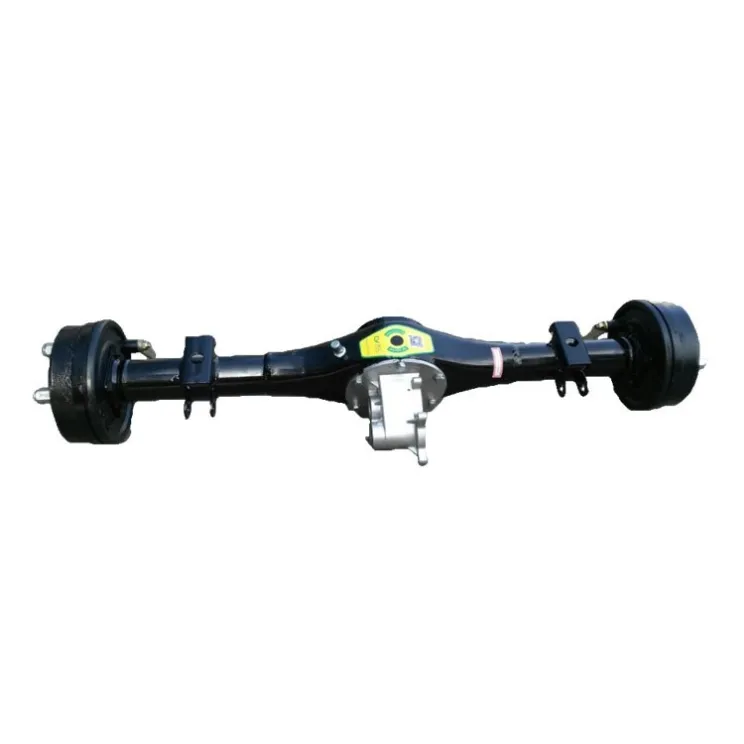
Where vehicles are rented out by the day, operators specify for abuse-resistance: simple controls, strong rear axle and suspension, and parts that are cheap and quick to swap — front shock absorbers, brake parts, tyres and rear axle components are the wear items to stock from day one.
Rental adds two more considerations. First, renters are not owners — they overload, kerb and neglect in ways a careful owner would not, so every margin you build in pays for itself. Second, turnaround time is revenue: a vehicle waiting a week for a part earns nothing. Rental operators should hold deeper parts stock than private fleets, standardise on one model, and build a simple pre-rental check — brakes, tyres, lights, box latches — into their routine. Tell the supplier the vehicles are for rental work; the recommended configuration and parts package will differ, and that conversation costs nothing.
Running a small urban fleet
Standardise on one model and one battery specification where you can: charging, driver training and spare parts all get simpler. Keep a basic parts kit per fleet — shock absorbers, brake consumables and at least one rear axle assembly — rather than waiting for parts after a failure. Confirm box dimensions against your customers' largest typical load, and confirm battery and charger details in writing before ordering.
Three fleet habits complete the picture:
- Start with a sample in real service. Sample units are available before a bulk order. Put one vehicle on the actual route, with the actual driver, for a full week. Measure the shift honestly — distance, stops, load, charge time — and write the fleet specification from those numbers.
- Order at fleet scale from the start. Our MOQ is 40 pcs for electric tricycles; mixed models in one shipment can be discussed and confirmed in writing. A consistent first order builds the parts commonality that makes the fleet cheap to run later.
- Brief the supplier on the city, not just the vehicle. Traffic pattern, stop density, parking, charging location, security concerns — the more of the working context you share, the better the configuration recommendation. Our tricycles are produced at our Jiangxi production base, with branch factories in Xuzhou and Dacheng, and a typical order cycle is 15–25 working days.
The common urban mistakes mirror the rural ones: sizing the battery on a quiet test ride, choosing a box that opens the wrong way for kerbside work, forgetting security at unattended stops, and running a mixed fleet with no common parts. All are cheap to avoid at the ordering stage and expensive to fix afterwards.
Talk to our team
Jiangxi Lubon supplies cargo, passenger and closed electric tricycles plus tricycle parts and accessories for B2B buyers. Tell us what your customers carry and where they run, and we will recommend a configuration: saravehicle@jxlubon.com, WhatsApp +86 189 7035 3905.