Guides
How to Choose a Cargo Electric Tricycle for Your Market
Cargo electric tricycles look similar in photos, but the wrong configuration will cost you in repairs and unhappy customers. Before you order, work through these five questions.
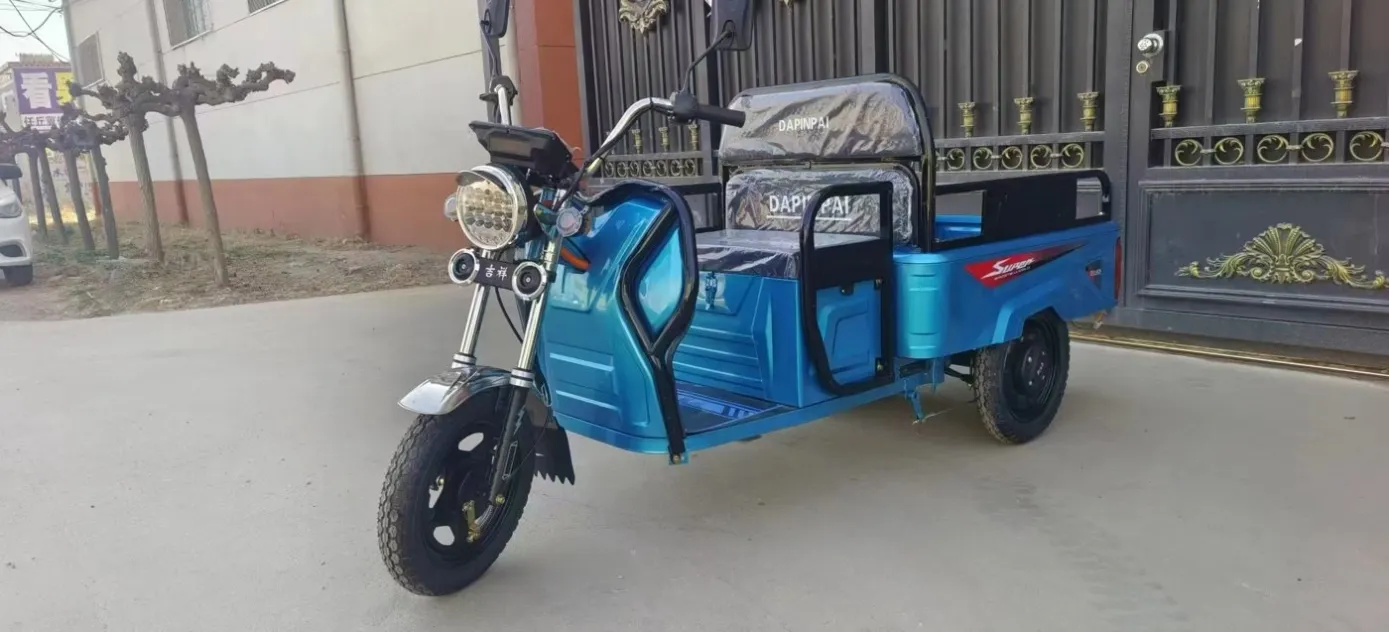
- What will your customers actually carry? Building materials, farm produce, water, gas bottles and city parcels all load a vehicle differently. Match the cargo box size and the vehicle's rated payload to the heaviest typical load — not the average load.
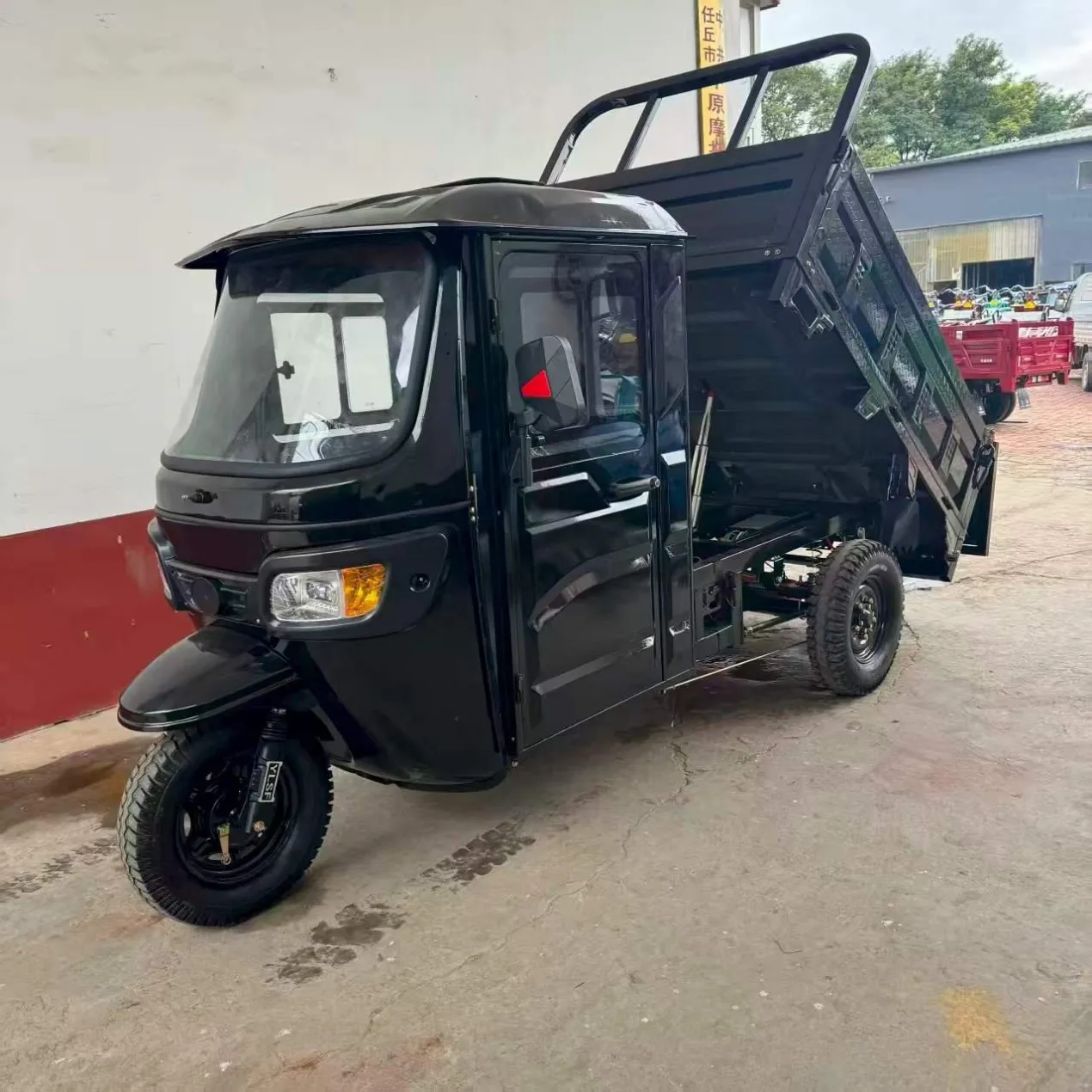
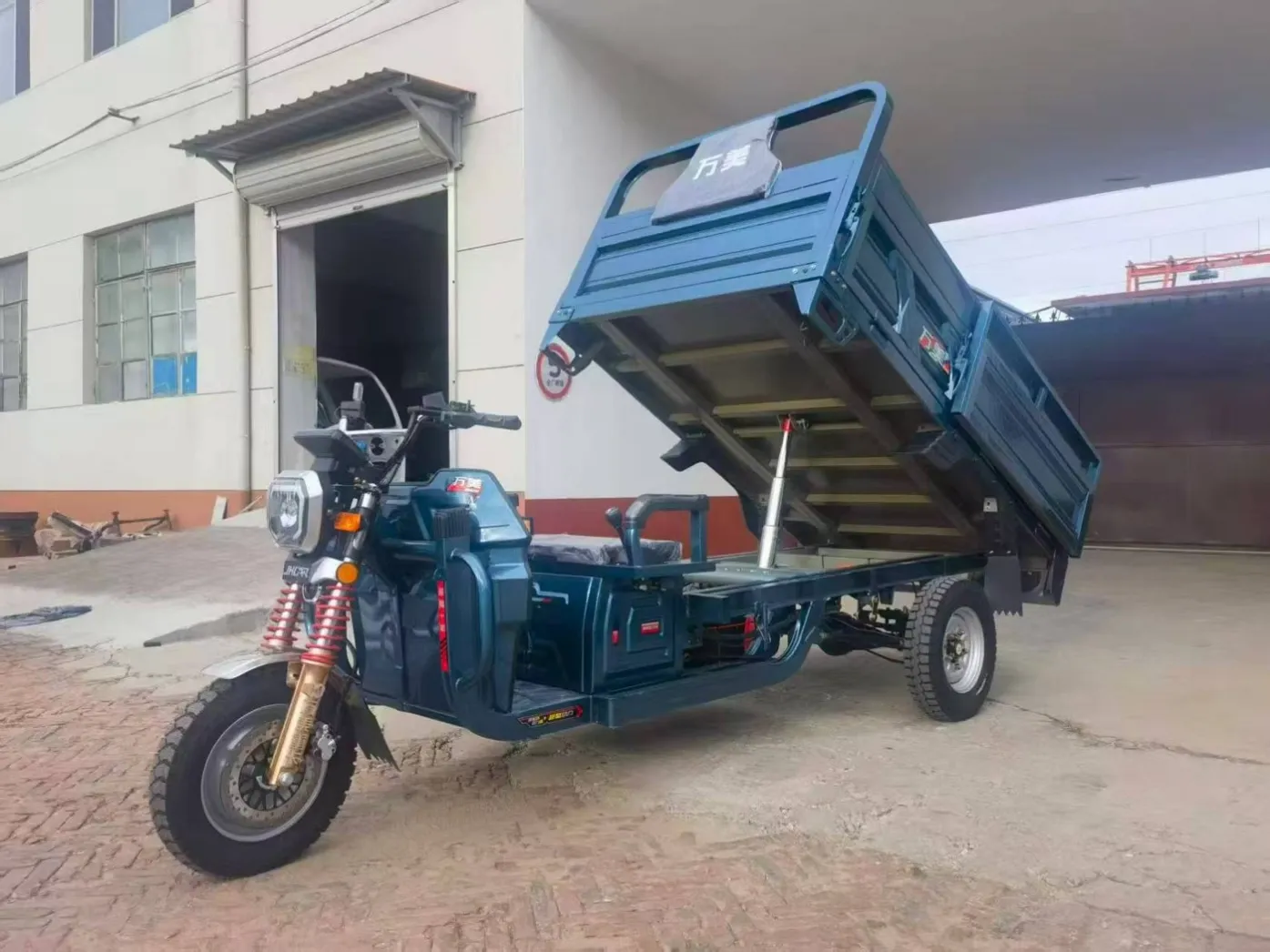
- Open box, dump box, or closed cabin? An open flat box is the most flexible and the cheapest to maintain. A hydraulic dump box pays for itself wherever drivers unload bulk material like sand, grain or construction waste by hand today. A closed cabin model suits markets with heavy rain or cold seasons, where driver comfort decides whether the vehicle works all year.
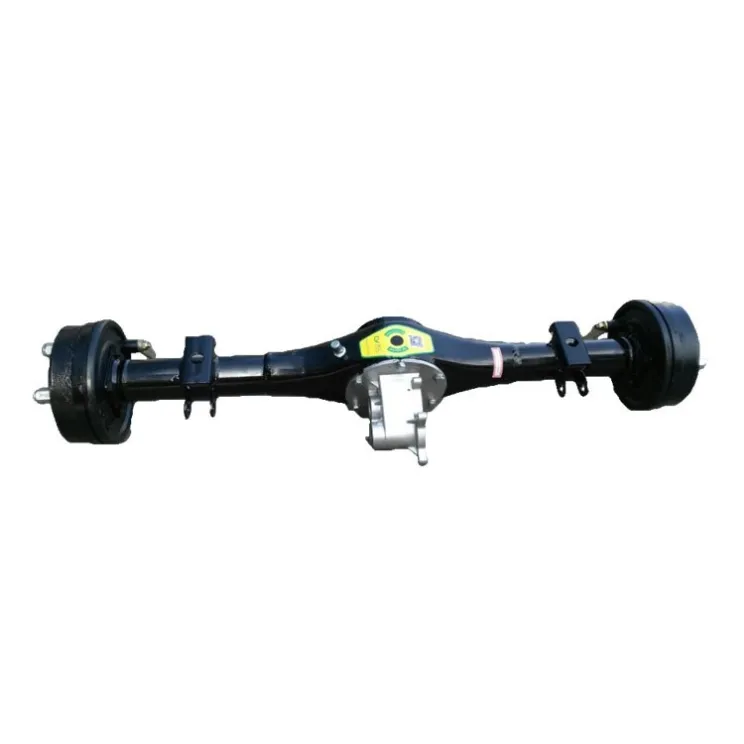
- What are the roads like? Rough roads and slopes call for stronger suspension, a robust rear axle and a motor matched to loaded climbing — not just flat-road speed. Tell your supplier where the vehicles will run, not only where they will be sold.
- What range does a working day need? Count the customer's real daily distance, loaded, with reserve. Battery configuration should follow that number, because over-buying battery capacity is the fastest way to make a tricycle uncompetitive on price.
- Can you get parts in three years? A cargo tricycle is a working tool. Motors, controllers, shock absorbers, rear axles and wiper parts will all be needed eventually. Choose a supplier who can keep supplying the matching parts long-term, from the same source as the vehicles.
Talk to our team
Jiangxi Lubon supplies cargo, passenger and closed electric tricycles plus parts in one order, and exports to 15 countries including India. Tell us what your customers carry and where they drive, and we will suggest the configuration that fits — before you spend on samples.
Email: saravehicle@jxlubon.com · WhatsApp: +86 189 0793 1291